
Green-Aging for Better Quality of Life
Welcome to Greenaging, your trusted resource for evidence-based information.
Latest News From Kindle Books
Free Green Aging ebook
for a limited time starting tomorrow July 13, 2026
The Mission
GREEN AGING is a public, non-commercial knowledge site that approaches aging as a complex process shaped by the interaction of several interconnected elements.
The site emphasizes clarity, evidence, and caution, with the goal of supporting function and quality of life, particularly in later life.
Green-Aging Components, Introduction

The Green-Aging approach requires multidisciplinary Efforts (e.g. Nutrition, Health, Botany, Bioactives, Ecology, Lifestyle Intervention, and Social Sciences).
Zoheir Abouguendia, Coordinator

Healthy Nutrition
Healthy nutrition ensures intake of the essential nutrients needed by our body for growth, functioning and maintenance
Bioactives
Bioactives are biological compounds, such as phytocomponents, that can provide health benefits beyond the essential nutrients.
The Environment
We use the term environment here as the ecological setting in which the individual lives. It includes social, physical, biological, financial and cultural aspects that, together with the other components of quality of life, can influence our overall health.
Lifestyle Interventions
Lifestyle intervention is part of the fledgling science of Lifestyle Medicine. It deals with changes in health-related behaviors like diet, physical activity, sleep, and stress management to prevent or manage chronic diseases.
Personal Agency & Informed Decisions
This recognizes an individual as a unique ecosystem with its unique properties that should be considered in health decision-making.
Quality of Life
Quality of life is defined by the WHO (World Health Organization) as “an individual’s perception of their position in life in the context of the culture and value systems in which they live and in relation to their goals, expectations, standards and concerns.” It is the product of both positive and negative elements.

The Contributors
Name: Zoheir Abouguendia, the Project Coordinator
A retired plant scientist.
He obtained a BSc in Agriculture from the University of Alexandria with courses in botany, microbiology, human and animal nutrition, and veterinary medicine. He carried out graduate studies at three North American Universities (University of Arizona, North Dakota State University and University of Saskatchewan) with MSc in Botany and Ecology and PhD in Plant Sciences.
Zoheir has many years of Canadian research experience with many publications in plant nutritive value, digestibility, and micronutrients. He served as a plant ecologist, research scientist, research manager, visiting professor, and Director of the Native Plant Society of Saskatchewan.
He recently published a book entitled: Botanicals, towards improving the quality of life of seniors (FriesenPress, 2025).

This book inspired the development of this site.
Current and Potential Content Contributors
-
Dr. El-Sayed Abdelal, PhD (Senior Research Scientist, Agriculture Canada)
-
Dr. Maher Abouguendia, PhD (Retired Food Technology Scientist, Canada)
-
Usama Al-shiraida (Digital Transformation, Canada)
-
H. U. Al-shiraida (Student, University of Alberta, Canada)
-
Dr. Mostafa Nosseir, PhD (Retired Officer, Food and Agriculture Organization of the United Nations, Rio de Janeiro, Brazil)
-
H. Abouguendia (Education)
-
M. Abouguendia (Psychology)
-
N. Abouguendia (International Development)
Explore our Resources
In this section, we offer a wealth of resources, including articles, tips, and guidance on various aspects of healthy aging. At this time, the articles are not arranged in specific order.
Article Edited July 10, 2026
Physical Exercise and Depression in Older Adults
A Green Aging Perspective
Why depression in older adults matters
Depression is one of the most common mental health problems affecting older adults. It is not a normal part of aging, yet it often goes unnoticed or untreated.
Many older adults experience depression because of major life changes such as:
-
Loss of a spouse or close friends
-
Reduced independence or mobility
-
Chronic illness or pain
-
Social isolation
-
Financial or housing stress
Depression affects much more than mood. It can also influence:
-
Energy and motivation
-
Sleep quality
-
Memory and concentration
-
Physical activity
-
Social relationships
Over time, depression can reduce quality of life, independence, and overall health.
This is why addressing depression is an important goal in the Green Aging framework, which focuses on improving quality of life through lifestyle and environmental approaches.
Why physical exercise is a powerful tool
Among the many treatments available for depression—such as medication and psychotherapy—physical exercise is one of the safest and most broadly beneficial options.
Scientific studies consistently show that exercise can:
-
Reduce symptoms of depression
-
Improve mood and emotional well-being
-
Increase energy and motivation
-
Improve sleep quality
-
Strengthen physical health
A large recent scientific review analyzing many clinical trials concluded that exercise programs significantly reduce depressive symptoms in older adults.
Importantly, exercise also produces many additional benefits beyond mood improvement, making it particularly valuable in older age.
Types of exercise that may help depression
Different forms of exercise can improve mood. The best choice often depends on an individual's health, preferences, and physical ability.
1. Aerobic exercise
Examples:
-
Walking
-
Cycling
-
Swimming
-
Light jogging
Benefits:
-
Improves heart and lung health
-
Increases energy levels
-
Helps regulate sleep
-
Supports weight control
Walking is often the simplest and most accessible starting point for many older adults.
2. Strength or resistance exercise
Examples:
-
Light weight training
-
Resistance bands
-
Body-weight exercises (chair stands, wall push-ups)
Benefits:
-
Builds muscle strength
-
Maintains independence in daily activities
-
Improves balance and stability
-
Supports metabolic health
Maintaining muscle strength is particularly important in older age to prevent frailty.
3. Balance and coordination exercises
Examples:
-
Tai Chi
-
Qigong
-
Balance training
Benefits:
-
Improves balance and reduces risk of falls
-
Encourages relaxation and mindfulness
-
Often performed in groups, increasing social interaction
These activities are especially well suited for older adults.
4. Flexibility and gentle movement
Examples:
-
Stretching programs
-
Gentle yoga
-
Mobility exercises
Benefits:
-
Reduces stiffness and pain
-
Improves mobility
-
Promotes relaxation
These exercises are often a good starting point for individuals who have been inactive.
Why exercise improves mood: the underlying mechanisms
Exercise helps reduce depression through several interacting pathways.
1. Brain chemistry
Physical activity stimulates the production of natural chemicals in the brain that support mood and emotional balance.
These include:
-
Endorphins (natural mood boosters)
-
Serotonin
-
Dopamine
These chemicals play an important role in regulating mood.
2. Brain health and resilience
Exercise also stimulates the production of substances that support brain growth and repair, helping maintain healthy brain connections.
These effects may contribute to:
-
Improved mood regulation
-
Better cognitive function
-
Greater resilience to stress
3. Reduced inflammation
Chronic low-grade inflammation is increasingly linked with depression.
Regular physical activity can help reduce inflammatory processes, which may improve both mental and physical health.
4. Stress regulation
Exercise helps regulate the body's stress system.
It can lower stress hormones and improve the body's ability to cope with psychological challenges.
5. Psychological benefits
Exercise also produces powerful psychological effects.
It can:
-
Increase confidence and self-esteem
-
Restore a sense of control and purpose
-
Provide structured daily activity
-
Create opportunities for achievement and progress
These psychological factors are very important in overcoming depression.
6. Social connection
Many exercise programs involve group participation.
This provides opportunities for:
-
Social interaction
-
Support from peers
-
Reduced loneliness
Social engagement itself is strongly linked to improved mental health in older adults.
The “stacking” of benefits
One of the most important advantages of exercise is that it produces multiple benefits at the same time:
- Improve mental health (reduced depression and anxiety).
- Improve physical health (stronger heart, muscles, and bones).
- Improve sleep quality.
- Improve brain health (better memory, cognitive function, independence; greater ability to perform daily activities, Social life; Increase opportunities for connection, greater self-confidence; greater sense of control and accomplishment.
Because of this stacking of benefits, exercise fits naturally into the Green Aging framework, which focuses on improving overall quality of life rather than targeting a single medical outcome.
How much exercise is helpful?
Health organizations generally recommend that older adults aim for:
-
150 minutes per week of moderate activity (such as brisk walking)
plus
-
strength and balance activities several times per week
However, it is important to remember that any increase in activity can be beneficial.
For someone who has been inactive, even:
-
10–15 minutes of walking
-
light stretching
-
gentle balance exercises
can be a meaningful first step.
The most important factor is regular participation over time.
Exercise in the Green Aging framework
Within the Green Aging concept, exercise is not simply a treatment for depression.
It is part of a broader system that supports:
-
physical health
-
emotional resilience
-
cognitive function
-
social engagement
-
independence and autonomy
By improving many aspects of life simultaneously, exercise can help older adults maintain a higher level of well-being and quality of life.


The Aging Process
-
Natural aging is an inescapable process that cannot be completely stopped.
-
Aging involves gradual changes in our body, such as loss of strength; reduced hearing and vision; slower memory; and changes in enzymes and hormones.
-
Recent study suggest that waves of aging-related changes occur at two distinct points in our life around ages 44 and 60.
Examples of Measures employed to moderate or slow down aging
-
Healthy eating and considering botanicals as detailed in the book
-
Staying physically active
-
Sleeping enough
-
Managing stress
-
Staying socially active and carrying some meaningful work
-
Avoiding exposure to extreme heat or cold
-
Spending time in natural areas (such as green spaces, parks, water surfaces) and staying away from polluted areas
-
Stopping smoking and alcohol drinking
-
Avoiding polluted environments (air and water
Those healthy habits would delay health issues and allow improved quality of life. As will be explained later, age is expressed in different ways (e.g. chronological, phenological).
A brief example of Botanicals



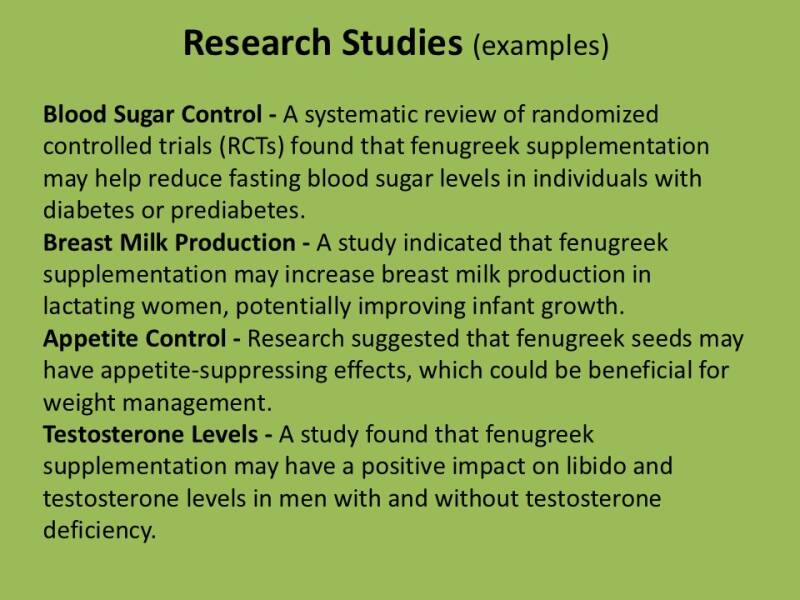
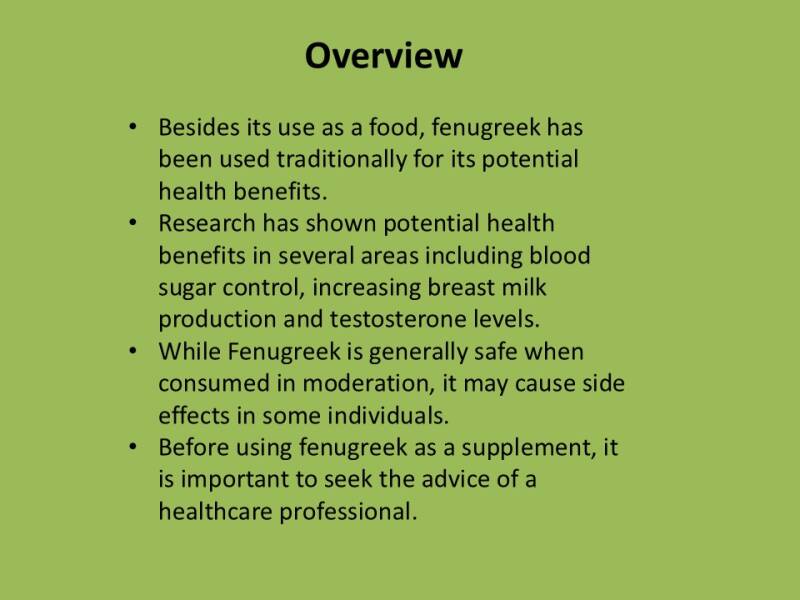

Location
Saskatoon, Saskatchewan, Canada
Create Your Own Website With Webador